












The process that shapes wood
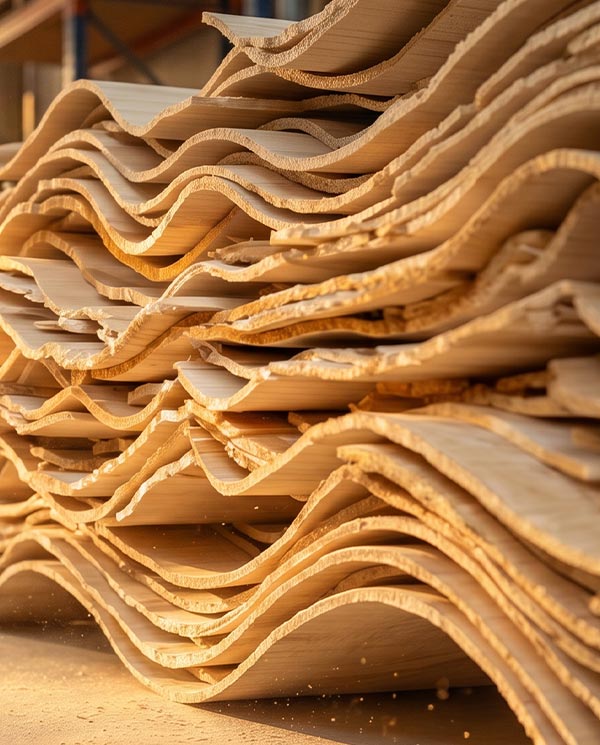
Every one of our panels is born from a precise process. A process made of steps, checks, and experience, where the material is guided, phase after phase, to its final form. This is where wood is transformed without losing its nature.
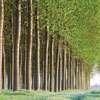
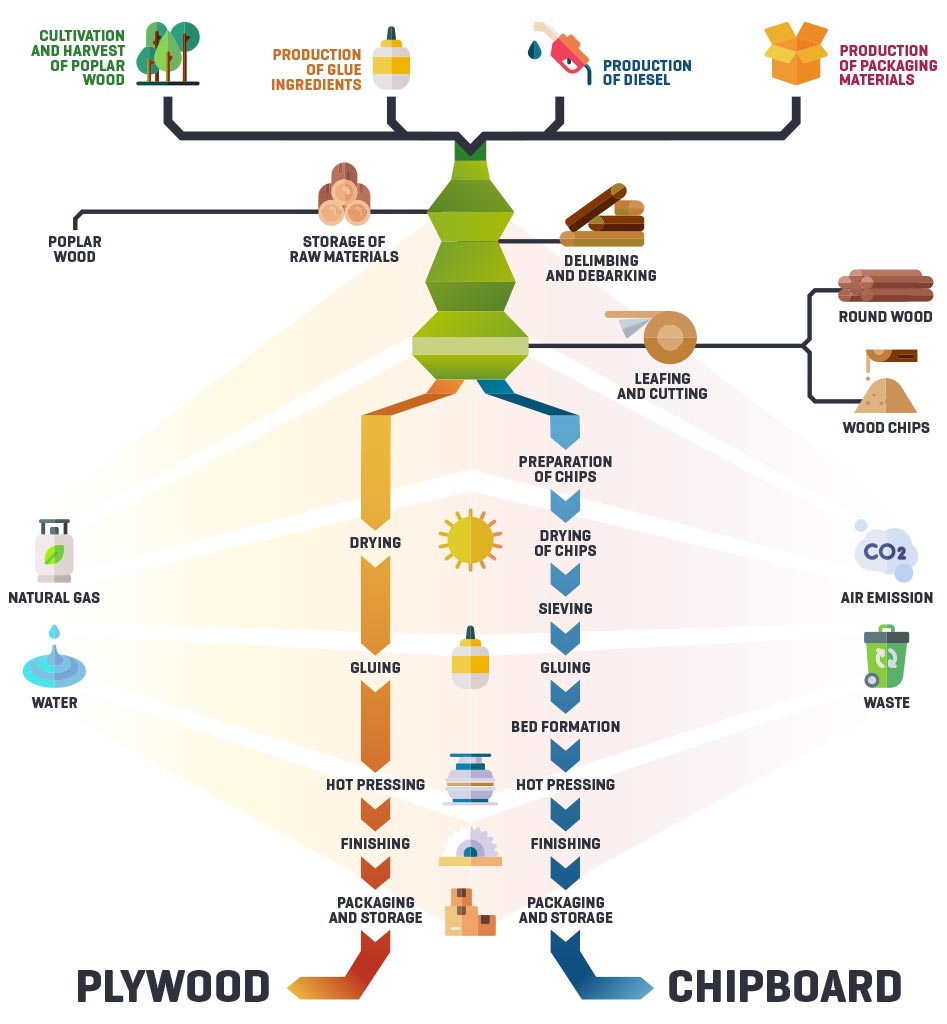
The production process of our poplar plywood begins with trees grown in the surrounding areas or primarily sourced from Northern Italy. The logs are selected and stored based on size, then debarked and sent to the peeling stage. Through three dedicated lines operating over multiple shifts, the wood is transformed into thin sheets (peeling).
The veneer is then cut and undergoes drying. Once ready, it is selected based on thickness and sent to the gluing stage with a urea-based polymer + hardener.
The sheets are manually paired according to a cross-layered structure, which ensures stability and strength. The panels are pressed at high temperatures, then squared and trimmed.
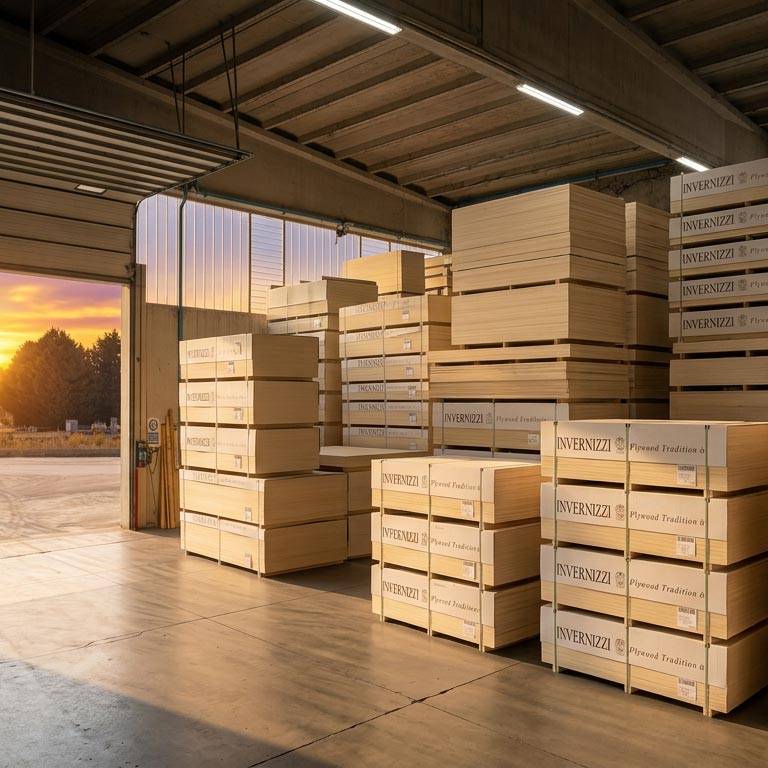
Then the final stage begins: finishing, which includes sanding, selection, labeling, and packaging. At that point, our poplar plywood panels are ready to be shipped and contribute to the creation of high-value projects.
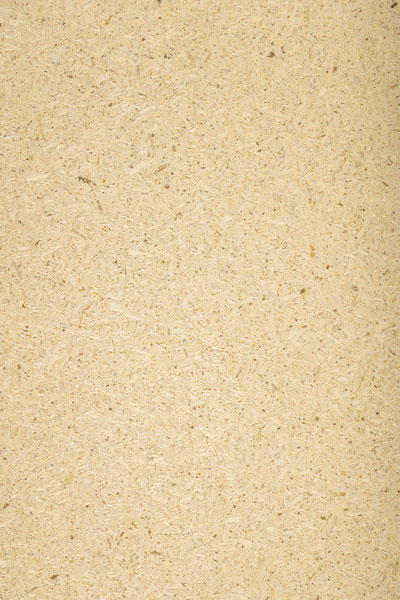
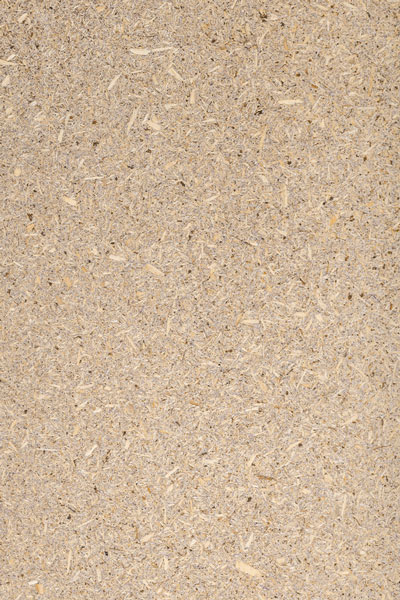
Our “Tuttopioppo” chipboard panels are 100% poplar, produced from plywood processing residues: branches, bark, and offcuts. Thus, the cycle is completed.
The material is collected, ground, and transformed into particles of various grain sizes. After drying, the chips are transported to the gluing tank, where they are mixed with a urea-based resin.
Before being pressed, the chips are distributed on a belt that forms the so-called “mat,” with the finest particles on the outside and the largest ones in the center. A structure designed to ensure balance and strength.
The mat then enters the press, where temperature and pressure transform it into a panel. Upon exit, it is cut to the required dimensions, squared, sanded, and selected.
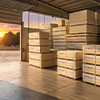
Finally, the panels are labeled, packaged, and stored, ready for use, with nothing wasted.
The production cycle
The process that shapes wood
Every one of our panels is born from a precise process. A process made of steps, checks, and experience, where the material is guided, phase after phase, to its final form. This is where wood is transformed without losing its nature.
The production process of our poplar plywood begins with trees grown in the surrounding areas or primarily sourced from Northern Italy. The logs are selected and stored based on size, then debarked and sent to the peeling stage. Through three dedicated lines operating over multiple shifts, the wood is transformed into thin sheets (peeling).
The veneer is then cut and undergoes drying. Once ready, it is selected based on thickness and sent to the gluing stage with a urea-based polymer + hardener.
The sheets are manually paired according to a cross-layered structure, which ensures stability and strength. The panels are pressed at high temperatures, then squared and trimmed.
Then the final stage begins: finishing, which includes sanding, selection, labeling, and packaging. At that point, our poplar plywood panels are ready to be shipped and contribute to the creation of high-value projects.
Our “Tuttopioppo” chipboard panels are 100% poplar, produced from plywood processing residues: branches, bark, and offcuts. Thus, the cycle is completed.
The material is collected, ground, and transformed into particles of various grain sizes. After drying, the chips are transported to the gluing tank, where they are mixed with a urea-based resin.
Before being pressed, the chips are distributed on a belt that forms the so-called “mat,” with the finest particles on the outside and the largest ones in the center. A structure designed to ensure balance and strength.
The mat then enters the press, where temperature and pressure transform it into a panel. Upon exit, it is cut to the required dimensions, squared, sanded, and selected.
Finally, the panels are labeled, packaged, and stored, ready for use, with nothing wasted.