















When the raw material is of quality, everything derived from it is too
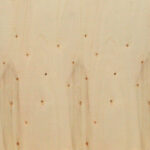
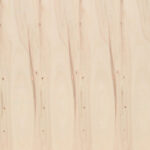
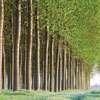
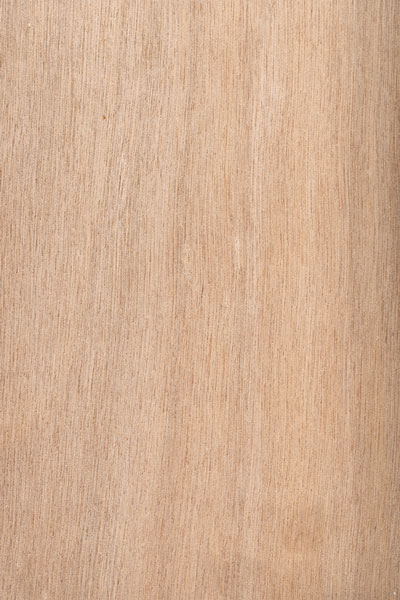
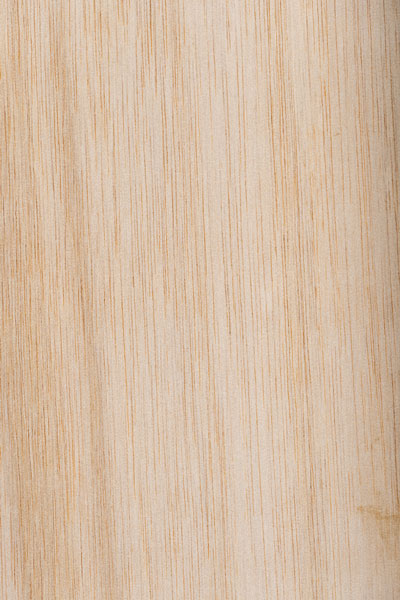
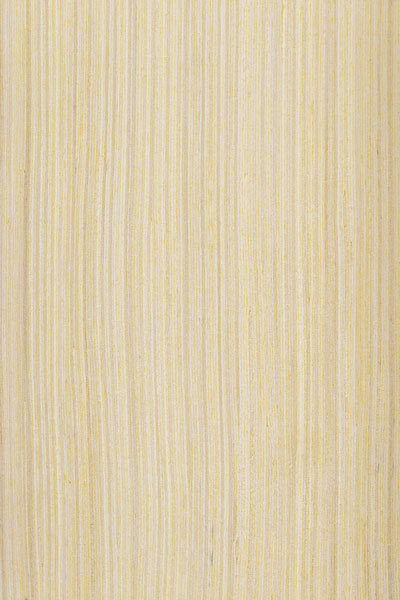
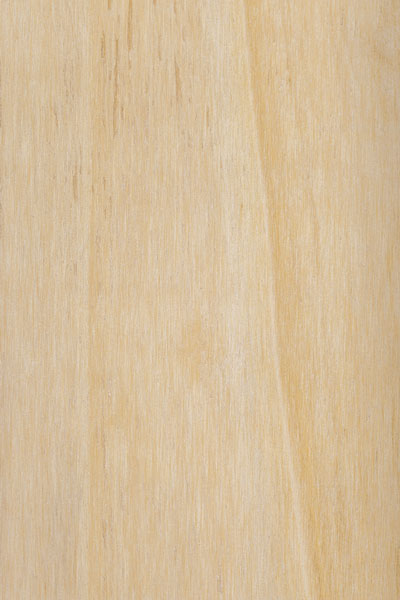
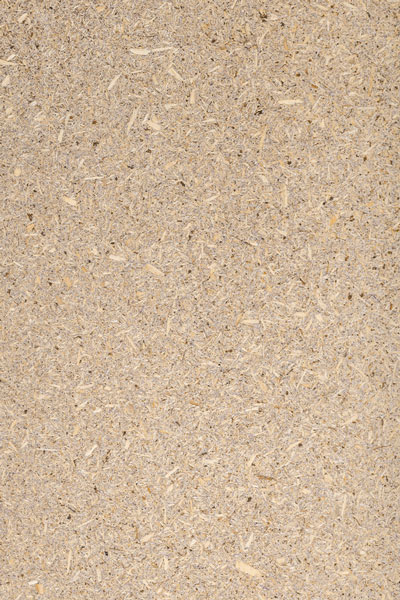
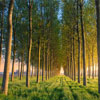
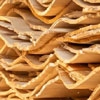
Poplar represents the cornerstone of the plywood industry thanks to the selection of advanced clones and increasingly sophisticated processing technologies. A homogeneous, lightweight, durable, and easily workable material. It is used in diverse sectors, bringing efficiency and versatility. From construction to furniture, to paper production, it continues to demonstrate its ability to adapt and perform. It is a material that allows itself to be easily transformed, enhancing the projects in which it is used. Poplar is a resource that generates value throughout the entire supply chain: from the agroforestry system that cultivates it to industrial processing. Grown according to natural cycles of 10-12 years, it produces high-quality wood with physical and mechanical characteristics that make it suitable for multiple applications. This is where nature meets industry, without losing its coherence.
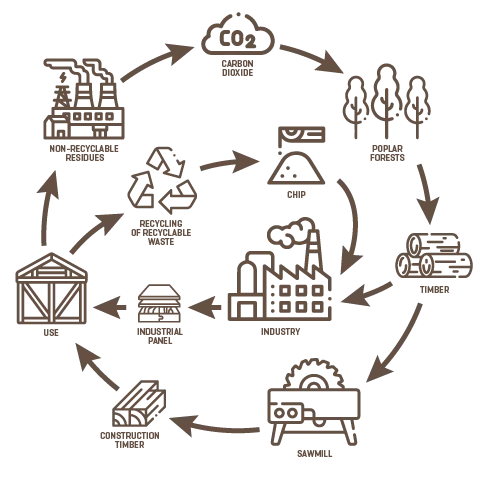
Production cycle
When the raw material is of quality, everything derived from it is too
Poplar represents the cornerstone of the plywood industry thanks to the selection of advanced clones and increasingly sophisticated processing technologies. A homogeneous, lightweight, durable, and easily workable material. It is used in diverse sectors, bringing efficiency and versatility. From construction to furniture, to paper production, it continues to demonstrate its ability to adapt and perform. It is a material that allows itself to be easily transformed, enhancing the projects in which it is used. Poplar is a resource that generates value throughout the entire supply chain: from the agroforestry system that cultivates it to industrial processing. Grown according to natural cycles of 10-12 years, it produces high-quality wood with physical and mechanical characteristics that make it suitable for multiple applications. This is where nature meets industry, without losing its coherence.
Production cycle
Would you like to develop a project with our poplar panels?
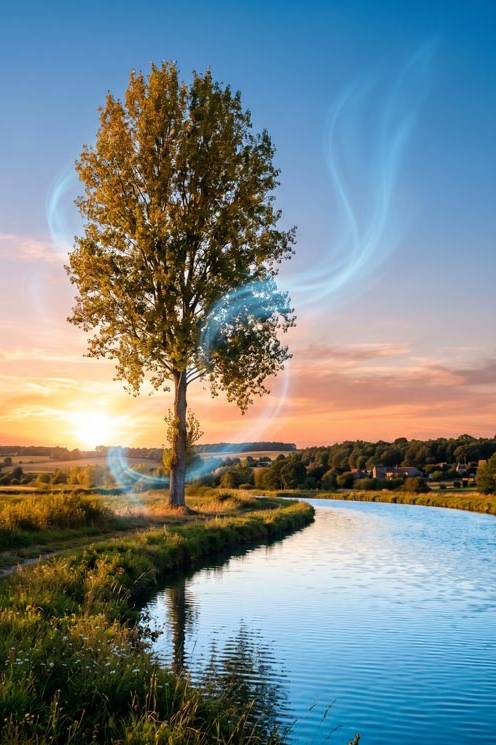
Poplar combines environment and productivity
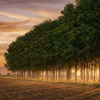
Poplar grows rapidly, in ten-year cycles, representing a concrete resource for the future of the wood, furniture, and paper industries.It requires less water than other crops, resists diseases, and integrates easily with other species.It represents the most advanced form of timber arboriculture.For agriculture, it means diversification, income integration, and new opportunities.For the territory, it means employment, continuity, and future.
The value of poplar does not stop at production. It is a presence that improves what surrounds it. In the air: it actively contributes to air quality, absorbing carbon dioxide and releasing oxygen, even after the wood is transformed into a product. In water: it filters, restores, protects. It is used to preserve ecosystem balance, helping to reduce pollution and improve water resource quality. In soil and landscape: it counteracts erosion, promotes biodiversity, and enhances the environment in which it grows.
Poplar is energy that renews itself. It is one of the highest-yielding tree species, capable of optimizing biomass production for thermal and electrical energy generation. A resource that combines efficiency and sustainability, helping to reduce environmental impact. At the same time, poplar cultivation helps limit the exploitation of natural forests, contributing to their conservation. Poplar is a choice that looks ahead.
Would you like to developa project with ourpoplar panels?
The 100% Virgin Poplar Wood logo is a mark that tells where we start from: a pure material, a sustainably managed agricultural supply chain that contributes to reforestation.It is a choice that is visible in the product and reflected in the territory, generating value for the entire community.