












Versatile panels for contemporary furnishing projects
Plywood and chipboard designed to ensure aesthetic quality, precision, and design freedom.
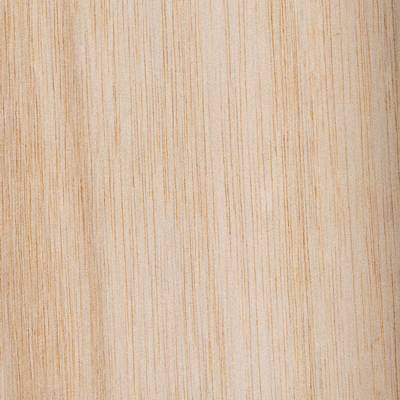
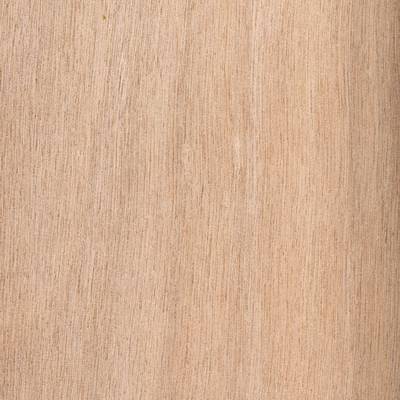
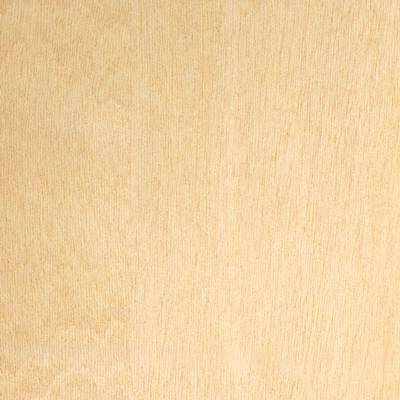
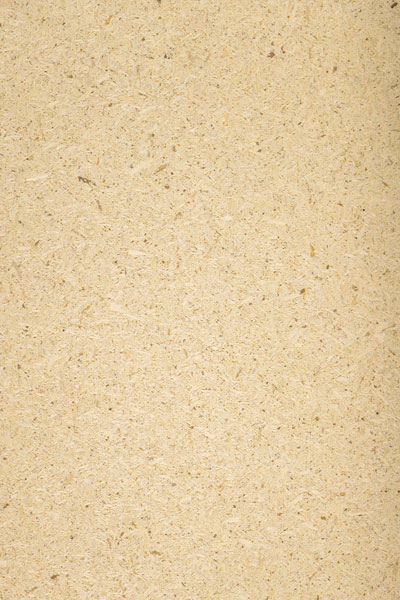
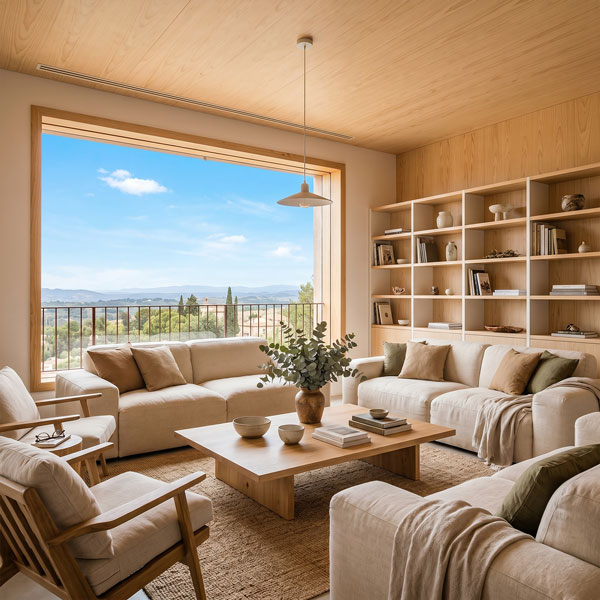
In the furniture and interior design sector, materials must combine aesthetic quality, workability, and design consistency. Poplar panels represent a flexible solution for creating custom furniture, wall coverings, and components, facilitating processing and integration with various finishes. Their adaptability allows them to respond to different design languages, from retail and contract to residential spaces. Low-emission versions can contribute to indoor environmental quality and align with criteria from standards such as LEED and WELL, while fire-retardant solutions are suitable for contexts with specific safety requirements.
- Bespoke furniture: Furniture, bookcases, storage systems.
- Cladding and boiserie: Decorative walls and visible surfaces.
- Design elements and accessories: Custom components for interior design.
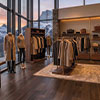
- Retail and contract fittings: Furnishings for shops, showrooms, and public spaces.
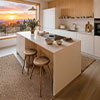
- Kitchens, bathrooms, and home environments: Functional structures and components.
- Doors, paneling, and painted surfaces: Finished elements or those ready for processing.
- Substrates for finishes: Laminates, veneers, and coatings.

Our panels fall under MATERIALS AND RESOURCES and INDOOR ENVIRONMENTAL QUALITY, contributing to the following credits:
- Building Life-Cycle Impact Reduction
- Environmental Product Declarations (EPD)
- Sourcing of Raw Materials (FSC and PEFC chains of custody)
- Construction and Demolition Waste Management
- Low Emitting Materials

Our poplar panels fall under the MATERIALS Concept, contributing to the following features:
- Material Restrictions
- Enhanced Material Restrictions
- VOC Restrictions - volatile organic compound (VOC) restrictions for furnishings and architectural and interior products
- Material Optimization
Versatile panels for contemporary furnishing projects
Plywood and chipboard designed to ensure aesthetic quality, precision, and design freedom.
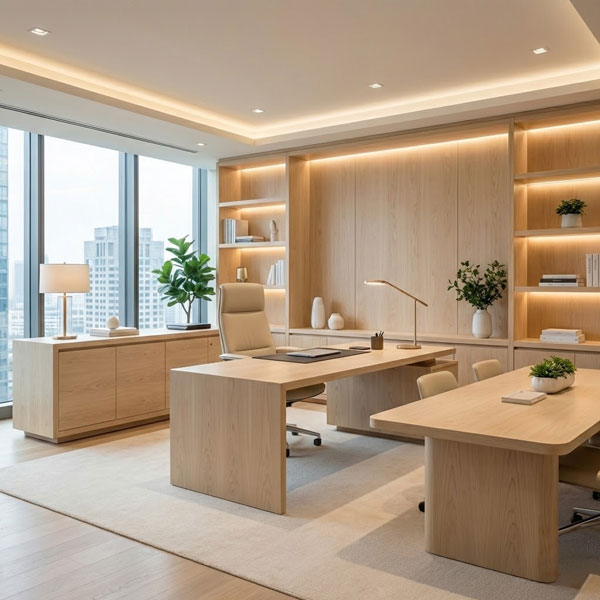
In the furniture and interior design sector, materials must combine aesthetic quality, workability, and design consistency. Poplar panels represent a flexible solution for creating custom furniture, wall coverings, and components, facilitating processing and integration with various finishes. Their adaptability allows them to respond to different design languages, from retail and contract to residential spaces. Low-emission versions can contribute to indoor environmental quality and align with criteria from standards such as LEED and WELL, while fire-retardant solutions are suitable for contexts with specific safety requirements.
- Bespoke furniture: Furniture, bookcases, storage systems.
- Cladding and boiserie: Decorative walls and visible surfaces.
- Design elements and accessories: Custom components for interior design.
- Retail and contract fittings: Furnishings for shops, showrooms, and public spaces.
- Kitchens, bathrooms, and home environments: Functional structures and components.
- Doors, paneling, and painted surfaces: Finished elements or those ready for processing.
- Substrates for finishes: Laminates, veneers, and coatings.
Our panels fall under MATERIALS AND RESOURCES and INDOOR ENVIRONMENTAL QUALITY, contributing to the following credits:
- Building Life-Cycle Impact Reduction
- Environmental Product Declarations (EPD)
- Sourcing of Raw Materials (FSC and PEFC chains of custody)
- Construction and Demolition Waste Management
- Low Emitting Materials
Our poplar panels fall under the MATERIALS Concept, contributing to the following features:
- Material Restrictions
- Enhanced Material Restrictions
- VOC Restrictions - volatile organic compound (VOC) restrictions for furnishings and architectural and interior products
- Material Optimization
Ideas and use cases
Recommended panels
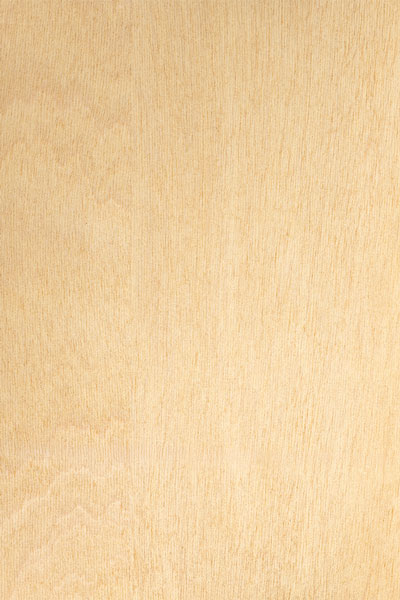
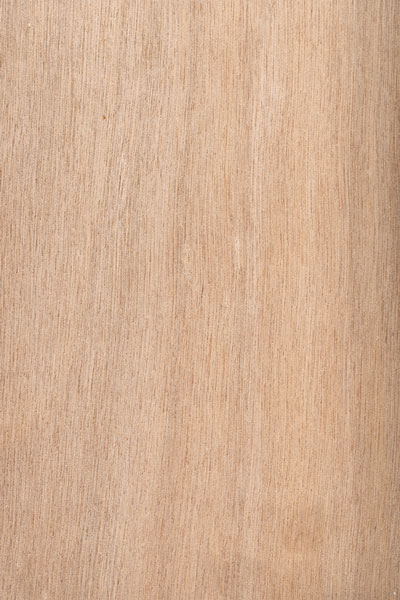
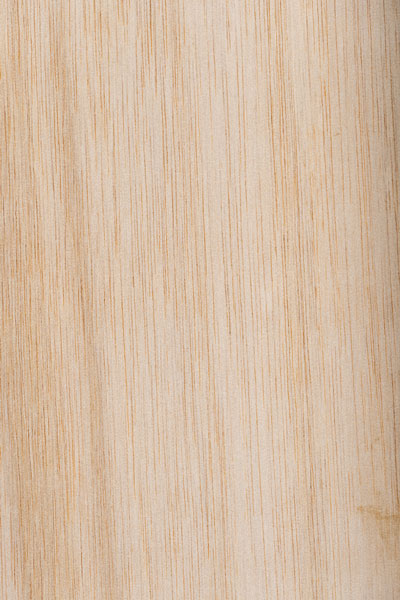
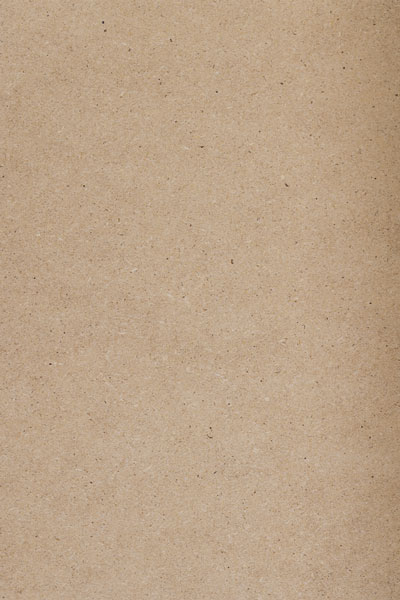
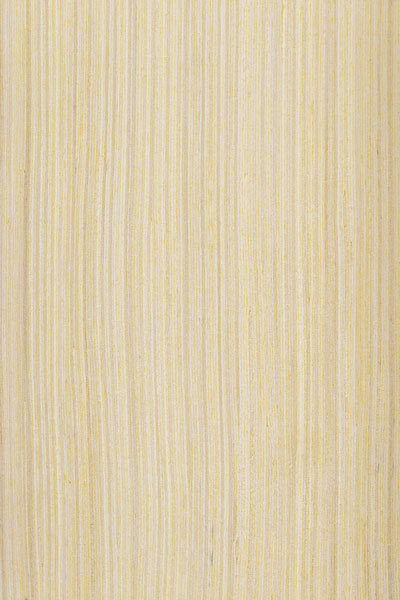
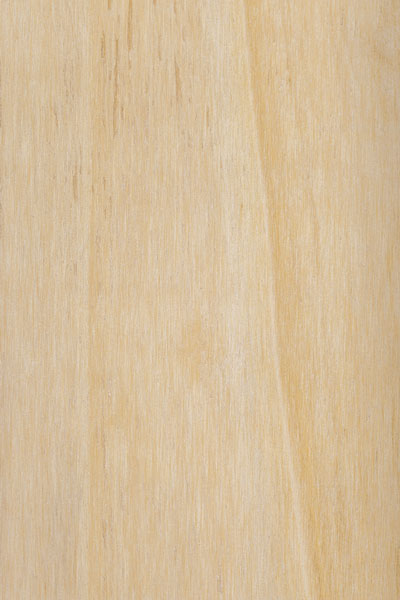
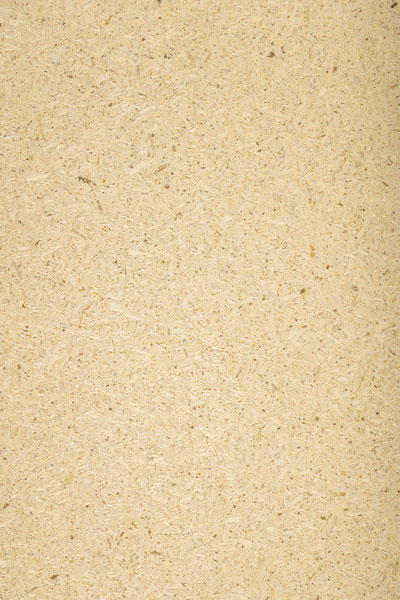
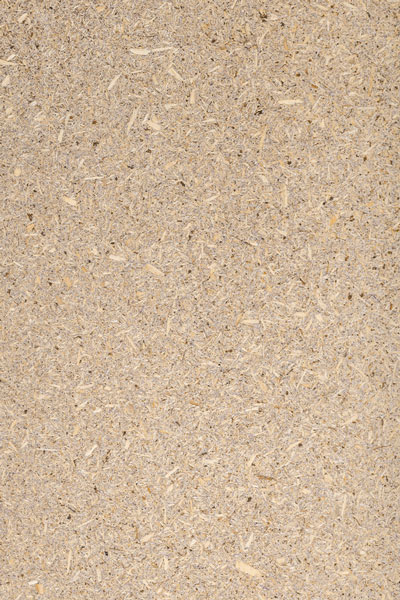
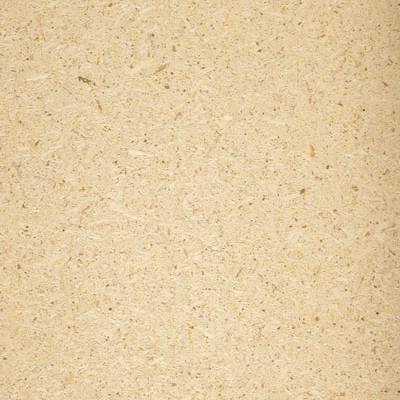
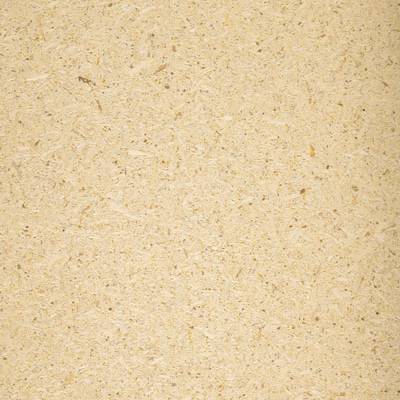
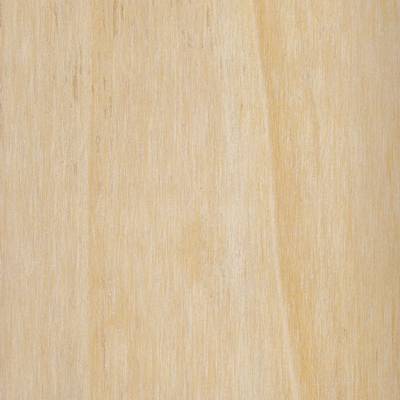
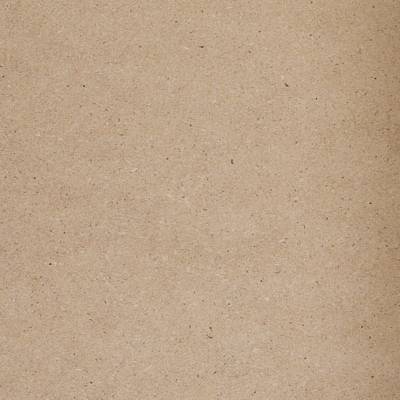
Panels suitable for the furniture and interior design sector include TUTTO Pioppo, NAF Comfortply, TWIN Primed, TWIN Mdf, and IGNIPASCOMP plywood. These are complemented by TUTTO Pioppo IGNIPAS and IDROPAS chipboard.



Other panels
Some projects may require the integration of specific panels for particular needs. Among the most widely used are TWIN Ceiba, TWIN Ilomba, and TWIN Okoumé, which are suitable for high-quality finishes and non-structural components.