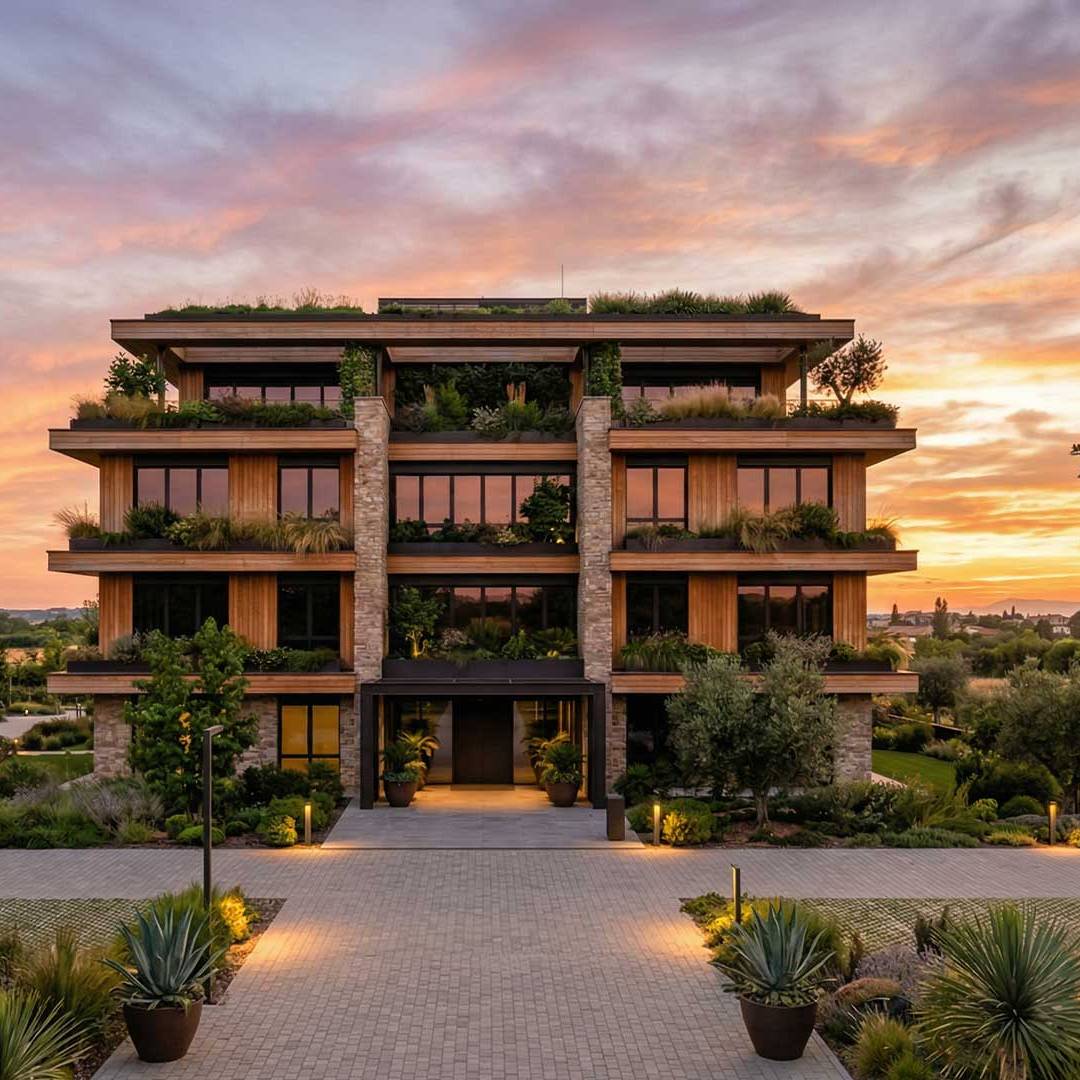













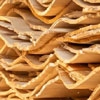


Lightweight and resistant plywood and chipboard for interiors
Panels designed to improve workability, control, and quality in contemporary building projects.
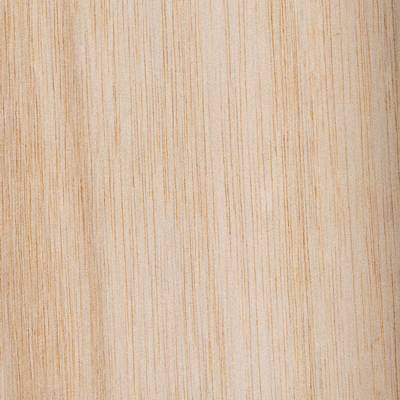
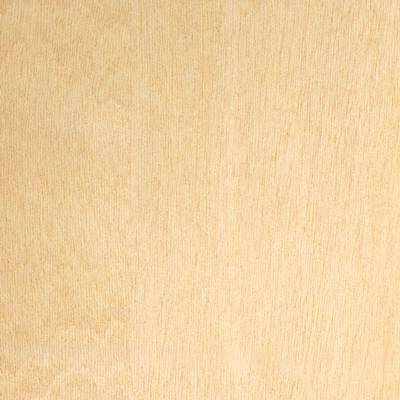
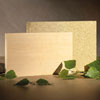
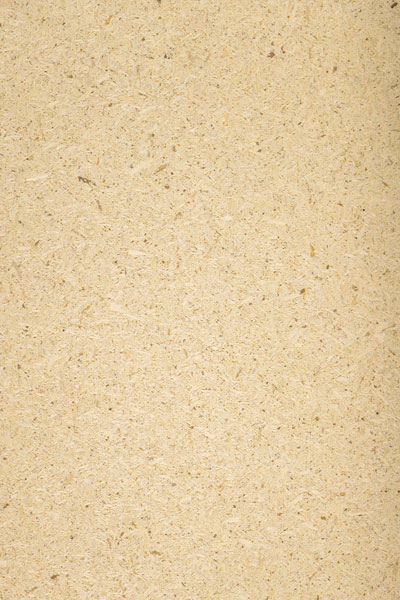
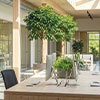
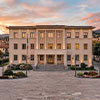
Poplar panels represent a versatile solution for building interiors, thanks to their ease of processing and adaptability. Plywood is suitable for lightweight structures, cladding, and technical components, while chipboard is primarily used for furnishings and finishing surfaces. This complementarity allows project optimization based on construction requirements, facilitating integration with other materials and systems. Fire-retardant versions are valued for enhanced safety, while low-emission variants fall within the scope of green building.
- Partition walls and counter-walls: Dry systems and internal compartmentalization.
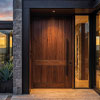
- Wall cladding and paneling: Aesthetic and functional interior finishes.
- Suspended ceilings and modular systems: Prefabricated elements for technical and architectural spaces.
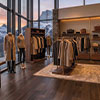
- Integrated furnishings and technical joinery: Custom furniture for offices, retail, and contract.
- Supports for finishes: Base for laminates, veneers, and coatings.
- Formwork for construction (plywood): Use during casting and on-site operations.
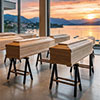
- Temporary installations and support structures: Construction sites, trade shows, temporary spaces.
- Technical compartmentalization and service shafts: Integration with electrical and mechanical systems.
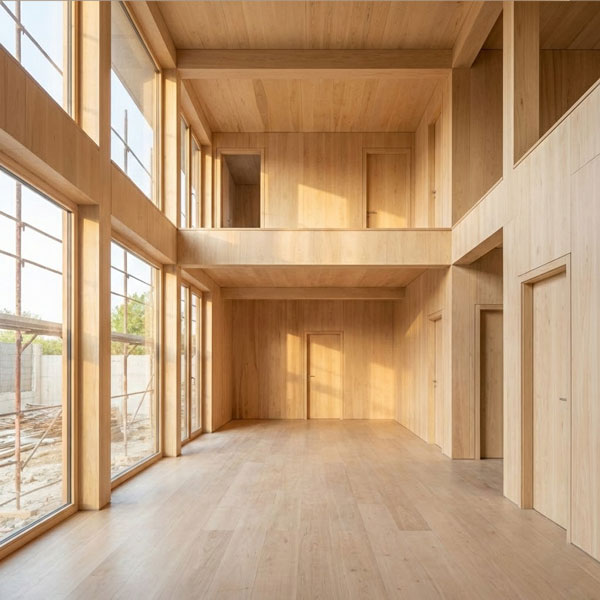
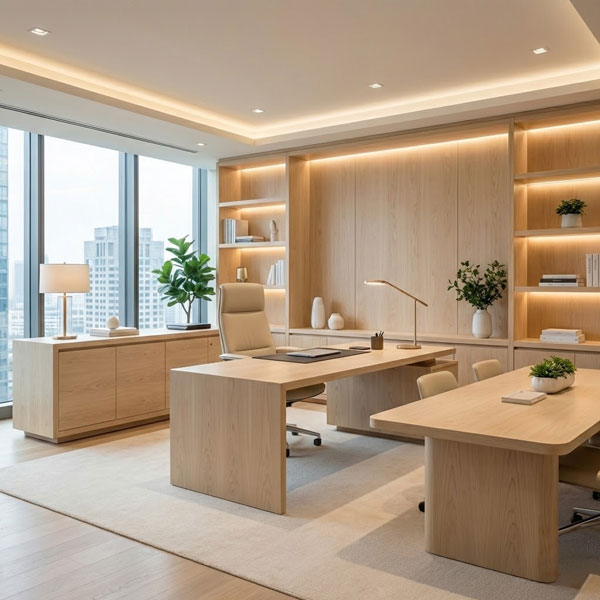
Lightweight and resistant plywood and chipboard for interiors
Panels designed to improve workability, control, and quality in contemporary building projects.
Poplar panels represent a versatile solution for building interiors, thanks to their ease of processing and adaptability. Plywood is suitable for lightweight structures, cladding, and technical components, while chipboard is primarily used for furnishings and finishing surfaces. This complementarity allows project optimization based on construction requirements, facilitating integration with other materials and systems. Fire-retardant versions are valued for enhanced safety, while low-emission variants fall within the scope of green building.
- Partition walls and counter-walls: Dry systems and internal compartmentalization.
- Wall cladding and paneling: Aesthetic and functional interior finishes.
- Suspended ceilings and modular systems: Prefabricated elements for technical and architectural spaces.
- Integrated furnishings and technical joinery: Custom furniture for offices, retail, and contract.
- Supports for finishes: Base for laminates, veneers, and coatings.
- Formwork for construction (plywood): Use during casting and on-site operations.
- Temporary installations and support structures: Construction sites, trade shows, temporary spaces.
- Technical compartmentalization and service shafts: Integration with electrical and mechanical systems.
Ideas and use cases
Recommended panels
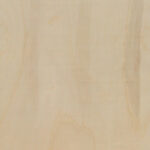
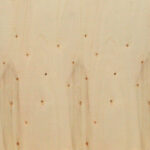
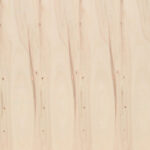
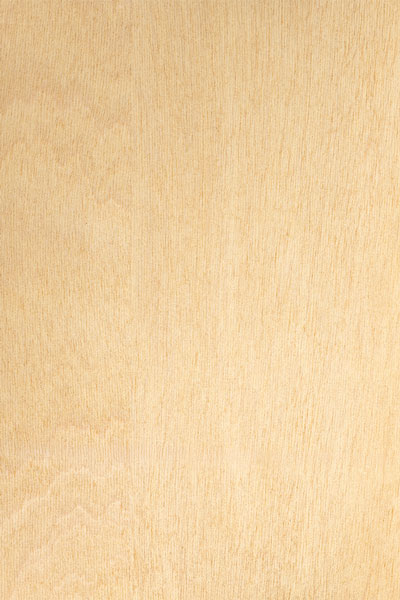
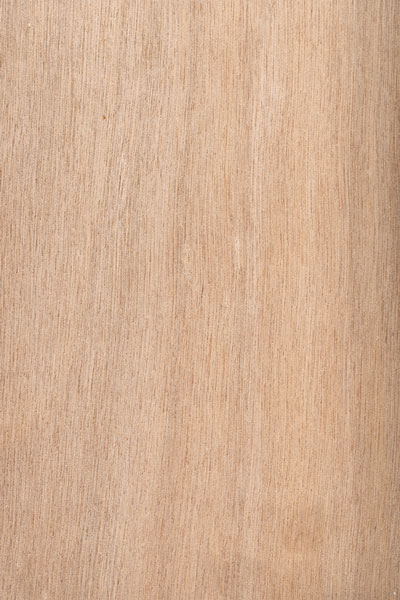
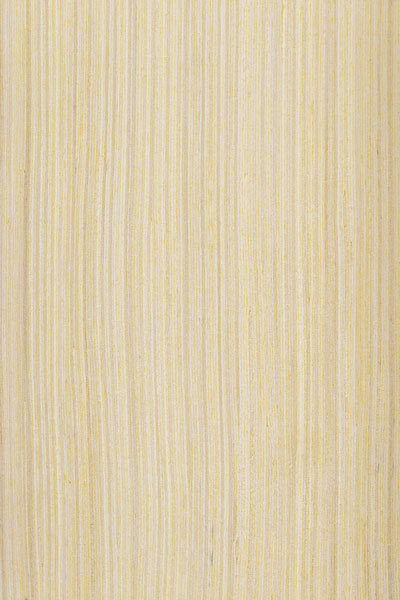
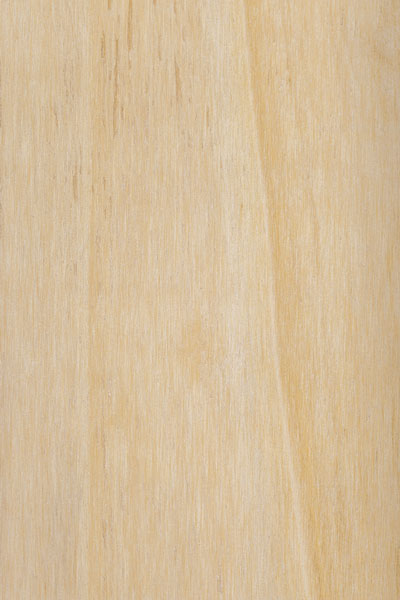
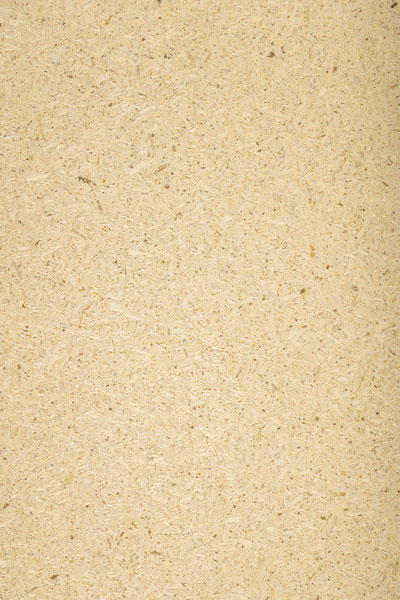
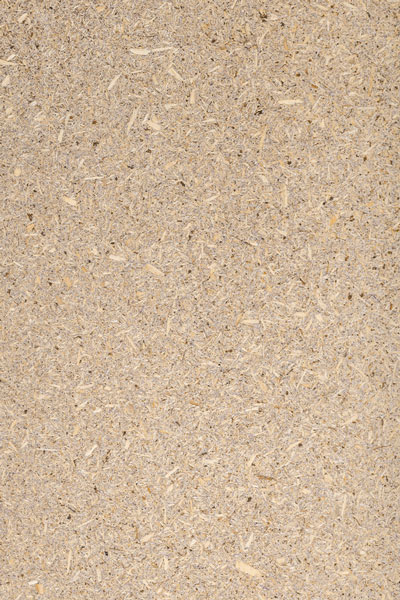
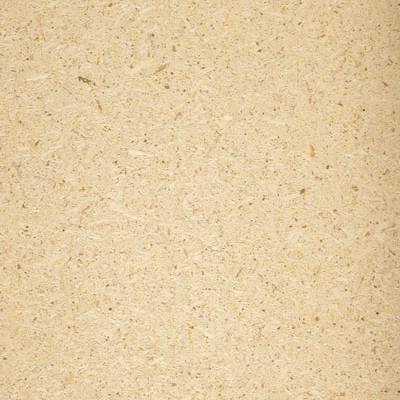
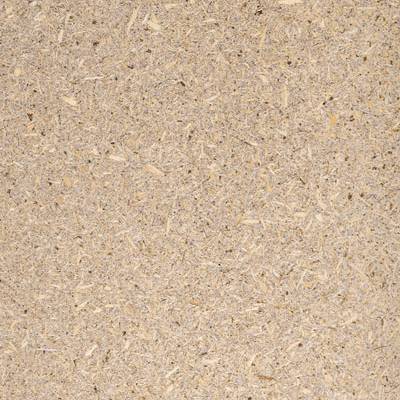
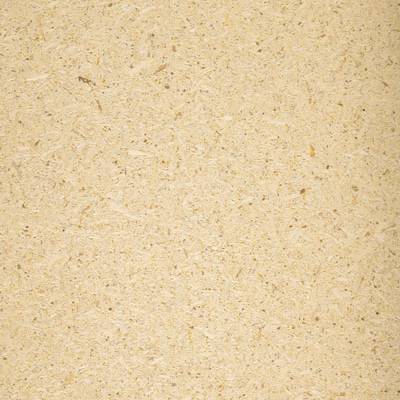
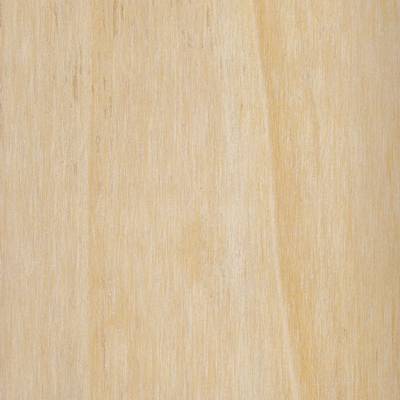
For the building and construction sector, the following plywood can be used: ALL Poplar, the fire-retardant IGNIPASCOMP, the NAF Comfortply, the TWIN Okoumé, and the TWIN Primed for lightweight structures and cladding, and the ALL Poplar chipboard and the IGNIPAS and IDROPAS chipboard for non-structural interior applications, furnishings, and finishing surfaces.




Other panels
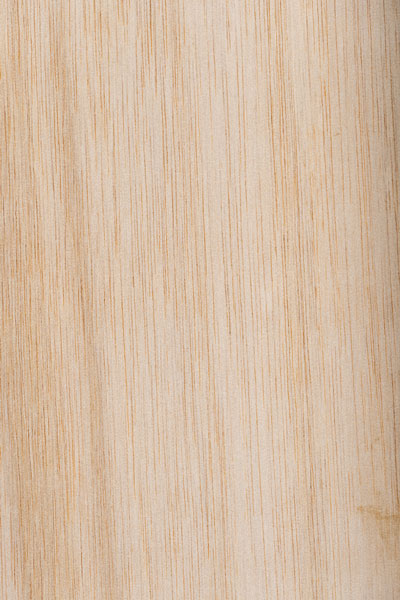
Some projects may require the integration of specific panels to meet needs related to weight reduction, finishing, or production optimisation.Among the most widely used are TWIN Ceiba, suitable for non-structural components, and TWIN Ilomba, designed for non-structural interior applications, furniture, and finishing surfaces.